





FREE SAMPLES AVAILABLE UNDERCONDITIONS!!!
Please be informed that we provide exclusive samples for the designated clients. For details, please contact sales representatives!


 0
0
Trommel Screen Mesh Classification & Technical Guide
Technical Taxonomy & Specifications
1.1 Metallic Screen Media
Material Types:
Hadfield Manganese Steel (Mn13Cr2): Water-quenched, HBW200-300 hardness
Bimetal Clad Plates (304/316L+Hardox450): Explosive welding technology
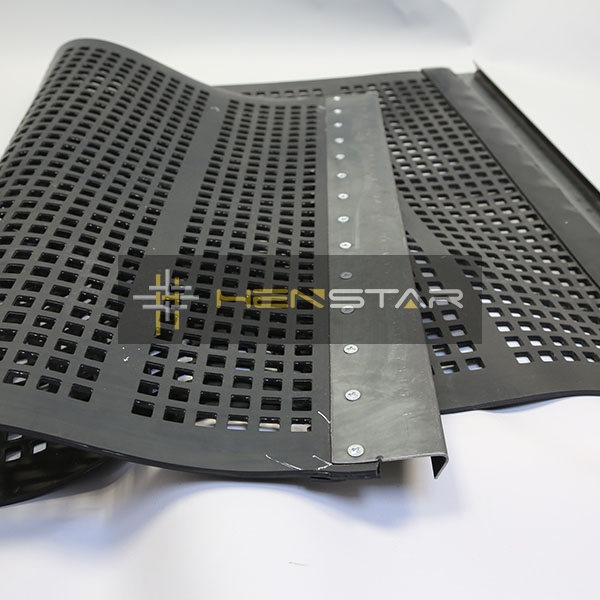
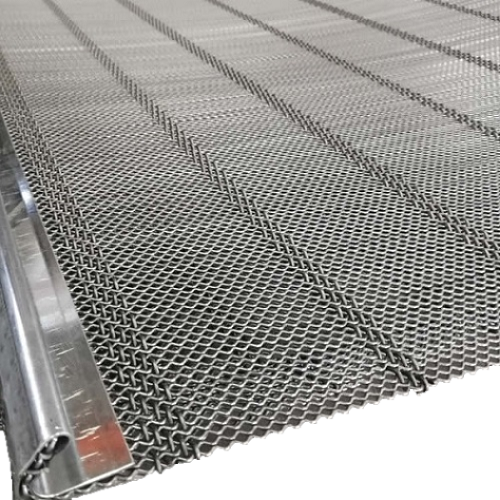
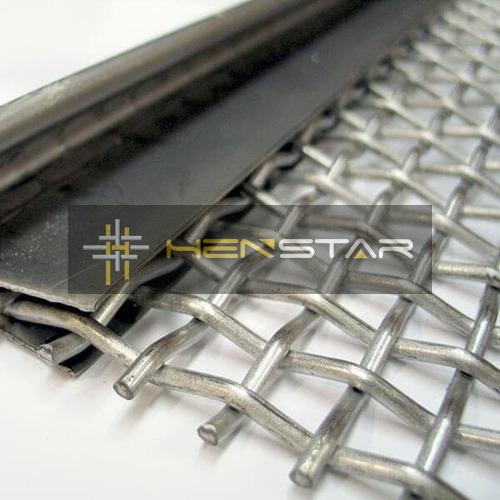
Perforated Steel Plates (Q345B): 6-25mm thickness, Φ10-80mm apertures
Parameters:
Tensile strength ≥650MPa (ISO 6892-1)
Wear-resistant layer tolerance ±0.3mm (EN 10029)
Operational range: -40℃~550℃
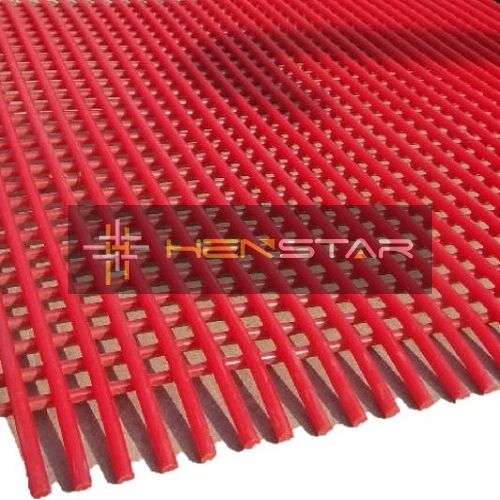
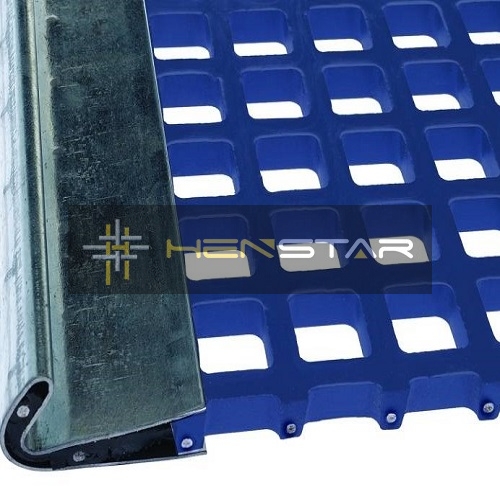
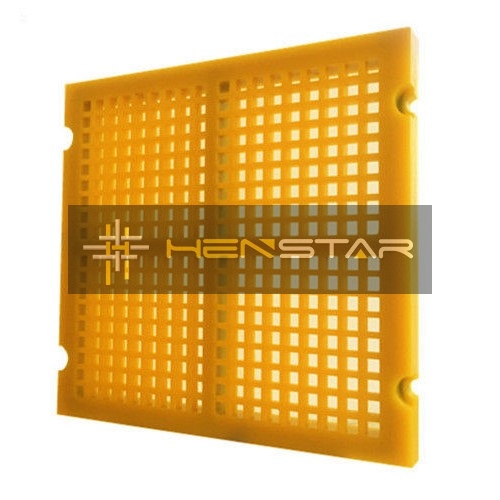
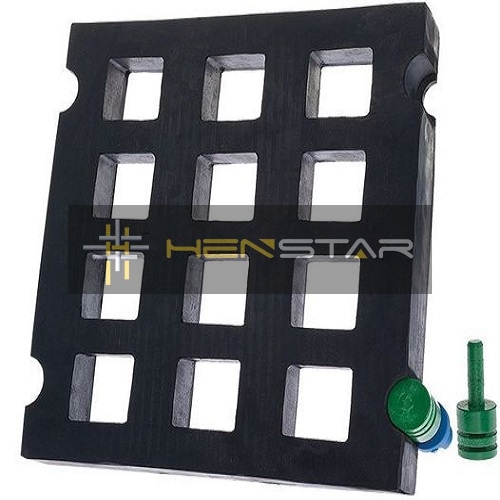
1.2 Polymeric Screen Media
Material Types:
Cast Polyurethane Panels: MDI system, Shore A85-D75
UHMWPE Sheets: Molecular weight ≥5×10⁶, μ=0.1-0.22
GF-Reinforced Nylon: 15-30% glass fiber, HDT 160-210℃
Parameters:
Fatigue resistance ≥5×10⁶ cycles (DIN 53512)
Chemical resistance: pH1-13 (ISO 175)
Noise reduction: 12-18dB(A) vs metal screens
1.3 Hybrid Composite Media
Innovative Designs:
Metal-Rubber Sandwich Panels: 8-15mm damping layer
Ceramic-Embedded Screens: Al₂O₃/SiC inserts (HV1000-1800)
Sensor-Integrated Media: Piezoelectric tension monitoring (±0.5%)
Certifications:
MSHA 30 CFR Part 56
FDA 21 CFR 177.2600
ATEX 2014/34/EU
Application Matrix
|
Industry |
Recommended Media |
Advantages |
|
Aggregates |
TSM-MET-03 |
35% throughput increase, 18-month service life |
|
MSW Sorting |
TSM-POL-12 |
82% less fiber entanglement |
|
Chemical |
TSM-HYB-07 |
3x longer CIP intervals |
|
Food Processing |
TSM-POL-15 |
<0.1CFU/cm² microbial adhesion |
Technology Roadmap
1. Functionally Graded Materials: Gradual aperture sizing (Φ5→Φ20mm)
2. Digital Twin Systems: 92% accuracy in lifespan prediction
3. Carbon-Neutral Solutions: Bio-based PU screens (57% lower carbon footprint)

